
A serious motorcycle crash changes everything for the rider and sends shockwaves through families, spouses, friends, and riding communities.
In Colorado, where riding is a shared culture and a source of pride, the aftermath of a serious crash often becomes a life-altering experience for everyone who cares about the injured rider.
This side of a crash is rarely discussed. Most conversations focus on physical injuries, insurance complications, or the logistics of getting a bike repaired, Yet the emotional and practical impact on loved ones is just as real and just as lasting, especially when a rider is dealing with long-term injuries after a Colorado motorcycle accident.
The First Hours: Shock, Fear, and the Search for Information
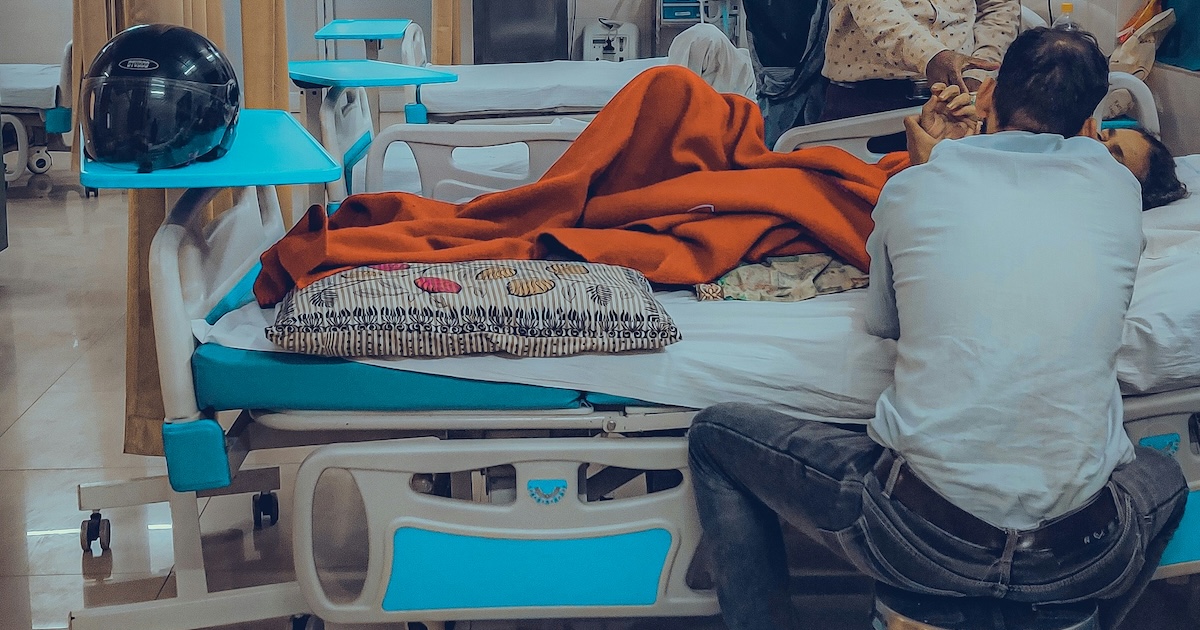
The phone call that a loved one has been in a motorcycle crash is one of the most frightening moments a family can experience. The details are often sparse. A paramedic, hospital employee, or fellow rider might share only the basics. Families wait for updates without knowing what to expect.
Medical studies reflect just how intense this moment can be. One study on family members of road traffic crash victims found that 100 percent of family respondents reported feelings of agitation, and more than 80 percent experienced shock during the initial emergency phase. These reactions are not exaggerated. They are common and deeply human responses to sudden trauma.
The Emotional Aftershocks That Continue Long After the Crash
Even after a rider is stable, families often experience lingering worry, disrupted sleep, and fear about the future. Caregivers of people with traumatic brain injuries, many of which result from motor vehicle or motorcycle crashes, report significant stress, anxiety, and emotional strain.
These effects show up in daily life. Partners may be afraid each time the rider leaves for an appointment or simply walks across the room unaided. Parents may replay what happened and wonder how long recovery will take. Friends who witnessed the crash may struggle in silence. These emotions are not signs of weakness. They are signs of care.
When Loved Ones Become Caregivers Overnight
Motorcycle crashes often lead to injuries that require long recovery times. Family members and friends may suddenly step into unfamiliar roles and responsibilities, especially if the rider has serious injuries such as fractures, spinal cord damage, or a brain injury.
Research on caregivers of adults with acute traumatic brain injuries describes significant levels of strain, unmet support needs, and challenges navigating medical systems. While these studies focus on brain injuries, the findings apply across many of the severe injuries common in motorcycle crashes.
Families may need to:
- Coordinate medical appointments and physical therapy
- Handle insurance paperwork and calls from adjusters
- Manage reduced income if the rider cannot work
- Provide transportation when the rider cannot drive
- Take on household duties or childcare the rider once handled
This shift can be overwhelming, especially when layered on top of emotional stress and worry about the rider’s long-term recovery.
Identity, Independence, and Changing Relationship Dynamics
For many riders, their motorcycle represents freedom, independence, and connection to a larger community. A crash can interrupt that identity. Loved ones often find themselves balancing support for the rider’s recovery with their own fear of the rider returning to the road.
Studies on traumatic brain injury caregiving describe feelings of worry, guilt, and pressure to remain strong even when overwhelmed.² Although not every motorcycle injury involves a brain injury, the emotional patterns are similar. Loved ones try to stay steady for the rider, even when they are struggling internally.
These emotional realities can shift relationships. Communication becomes vital as everyone works through changed routines, new limitations, and changing expectations about work, recreation, and daily life after a serious motorcycle accident.
Why Rider Justice Supports Families as Much as Riders
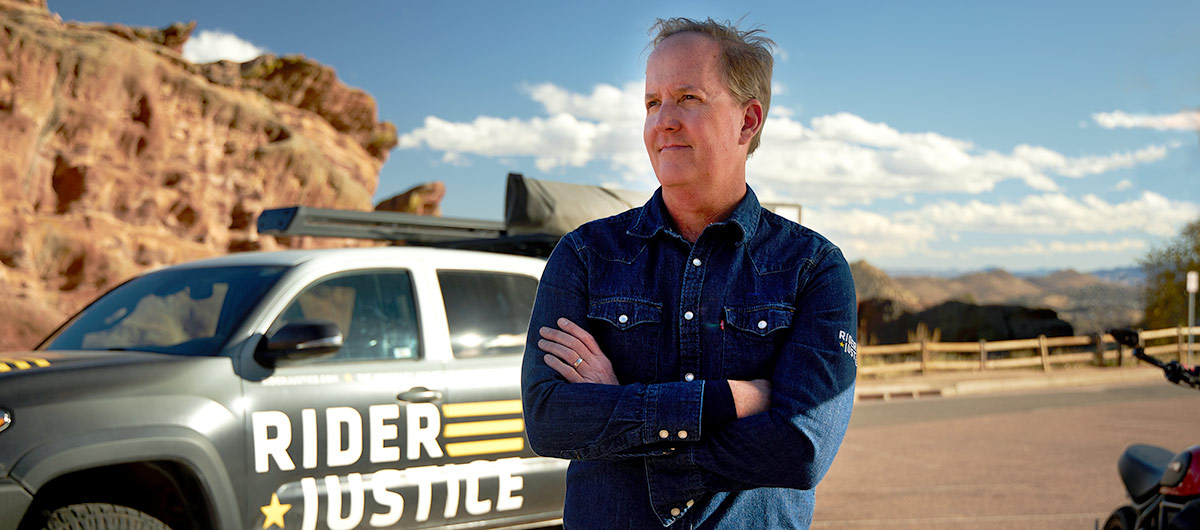
Rider Justice was built on a simple belief: no rider should face the aftermath of a crash alone, and no family should be left to navigate it without guidance. Scott O’Sullivan created Rider Justice after years of seeing how deeply motorcycle crashes affect entire households. The goal is to support not just individuals, but the communities around them.
This support goes beyond traditional legal representation. Rider Justice helps families understand their rights after a motorcycle crash in Colorado, deal with aggressive insurance companies, and connect with community resources that support recovery. The team also collaborates with organizations like BikerDown, BikeDenver, and Vision Zero because a safer riding community supports everyone, not only the riders.
What Families Need to Know After a Motorcycle Crash
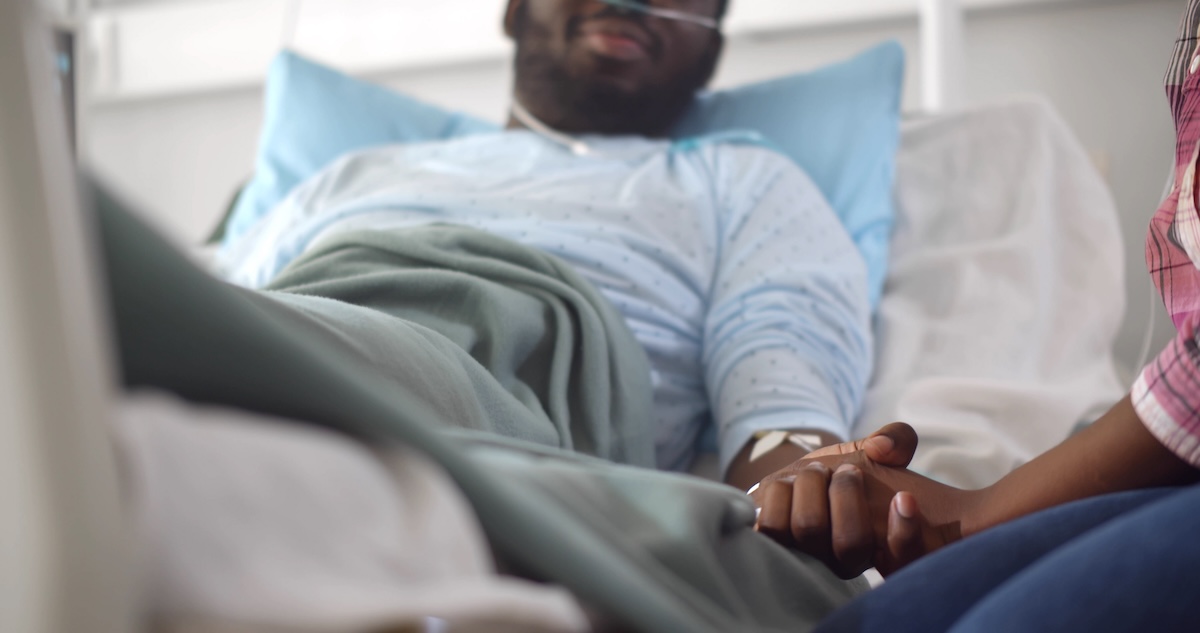
If a loved one has been injured in a motorcycle crash, a few truths can make the road ahead clearer:
- You do not have to handle the insurance process on your own
- Caregiver stress and emotional strain are normal responses
- There are community organizations that can help reduce the burden
- You deserve clear information and supportive guidance from professionals who understand motorcycle culture
Families carry a tremendous load during recovery. Having a team that understands motorcycle culture, Colorado law, and the realities of crash injuries can help restore a sense of stability and direction.
You Are Not Alone
A motorcycle crash creates ripples that reach far beyond the scene of impact. Loved ones often carry invisible burdens that deserve recognition and support. Rider Justice is committed to walking with riders and their families through every step of the recovery journey, from the first hospital visit to the fight for fair compensation.
If you or someone you care about has been affected by a motorcycle crash in Colorado, the Rider Justice team is ready to help you understand your options and support your next steps.
Sources
- Kreitzer, N. et al. “The Experience of Caregivers Following a Moderate to Severe Traumatic Brain Injury.” Frontiers in Neurology, 2020.
- Juengst, S. et al. “Caregiver Characteristics of Adults With Acute Traumatic Brain Injury in the United States and Latin America.” International Journal of Environmental Research and Public Health, 2022.