

Motorcycles are personal. The bike you choose usually reflects how you want to ride, where you want to go, and what you enjoy about being on the road.
What most riders do not think about is this: those same choices show up in crash data.
Across multiple national datasets, clear patterns emerge between types of motorcycles, rider demographics, and how crashes happen. It is not about labeling riders. It is about understanding how different riding styles carry different risks.
Here is what the data actually shows.
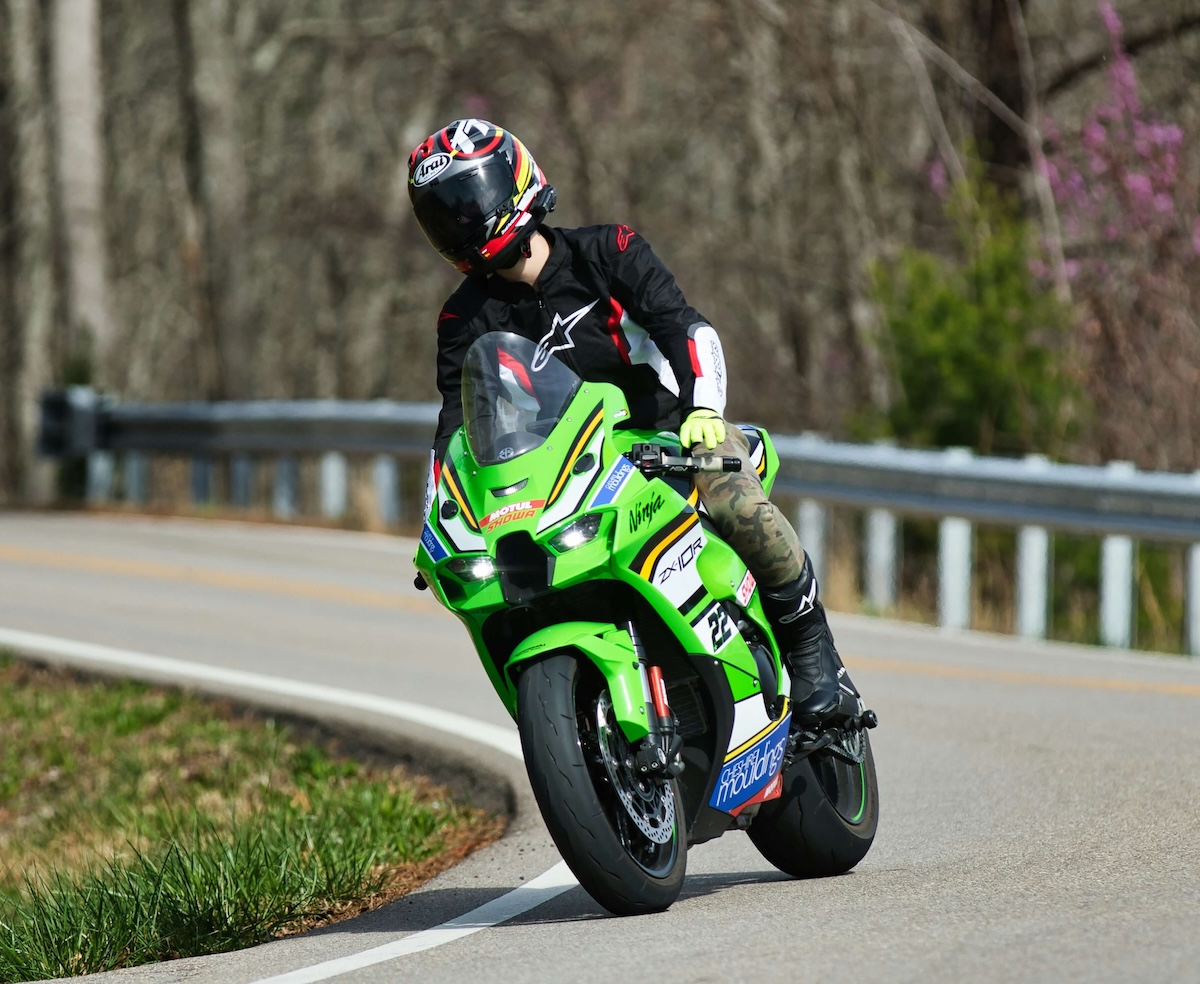 Sport and supersport motorcycles consistently show the highest fatal crash rates among major bike categories.
According to the Insurance Institute for Highway Safety, supersport motorcycles have significantly higher death rates than other motorcycle types, in some cases multiple times higher.
The data points to a combination of factors:
Sport and supersport motorcycles consistently show the highest fatal crash rates among major bike categories.
According to the Insurance Institute for Highway Safety, supersport motorcycles have significantly higher death rates than other motorcycle types, in some cases multiple times higher.
The data points to a combination of factors:
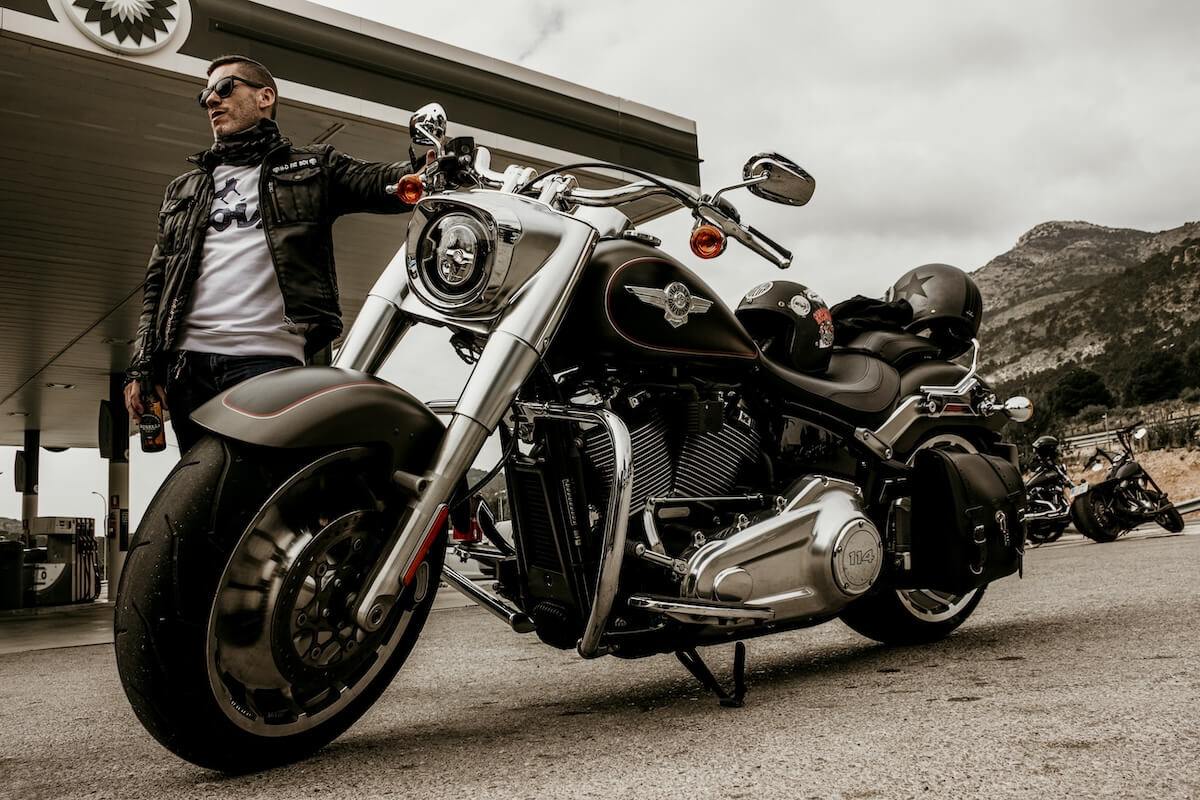 Cruisers tend to show lower fatality rates than sport bikes, but that does not automatically make them “safer.”
The data shows this pattern:
Cruisers tend to show lower fatality rates than sport bikes, but that does not automatically make them “safer.”
The data shows this pattern:
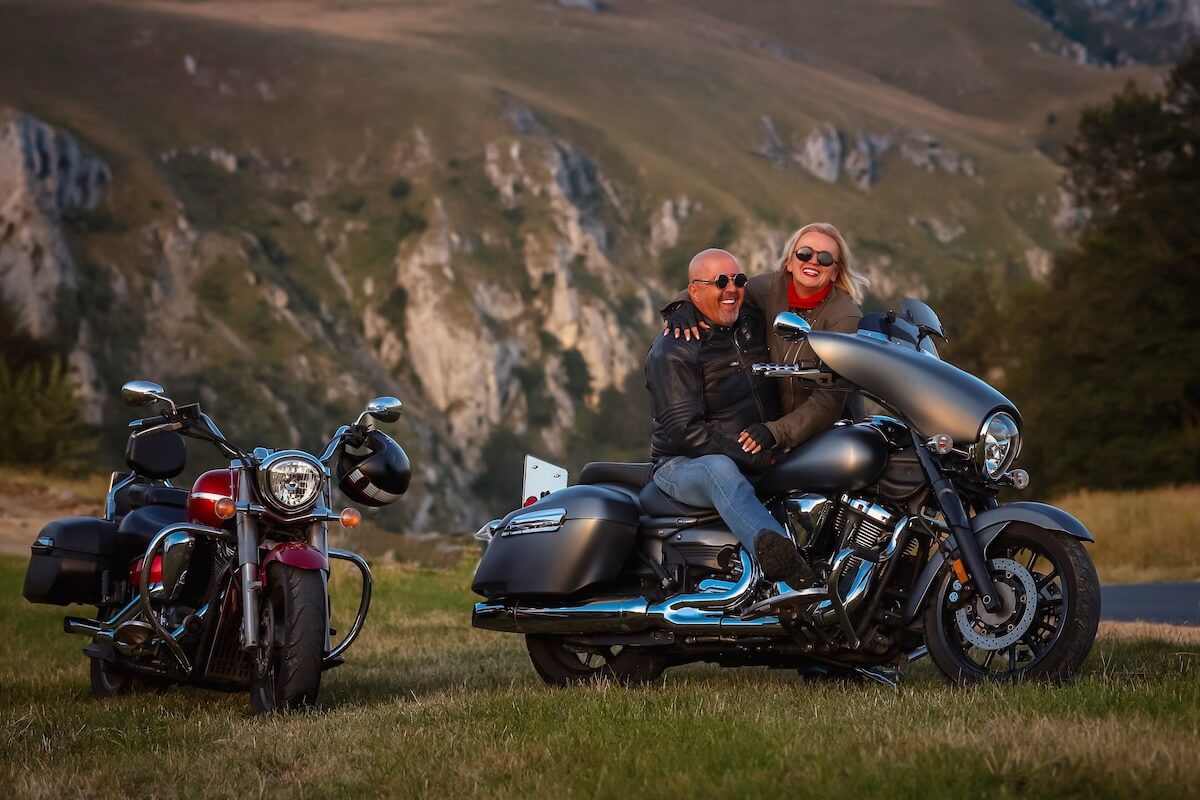 Touring and sport-touring motorcycles generally show lower fatality rates compared to sport bikes and, in many datasets, even cruisers.
These bikes are more commonly associated with:
Touring and sport-touring motorcycles generally show lower fatality rates compared to sport bikes and, in many datasets, even cruisers.
These bikes are more commonly associated with:
Sport Bikes: High Performance, Higher Risk Patterns
Sport and supersport motorcycles consistently show the highest fatal crash rates among major bike categories.
According to the Insurance Institute for Highway Safety, supersport motorcycles have significantly higher death rates than other motorcycle types, in some cases multiple times higher.
The data points to a combination of factors:
- Riders skew younger
- Speed is more frequently involved in crashes
- These bikes are often used in urban or high-traffic environments
- Acceleration and handling capabilities increase risk exposure
Cruisers: Different Risks, Not Necessarily Lower Ones
Cruisers tend to show lower fatality rates than sport bikes, but that does not automatically make them “safer.”
The data shows this pattern:
- Riders tend to be older
- Crashes are less likely to involve extreme speed
- Alcohol involvement appears more frequently in fatal crashes
Touring Bikes: Experience and Predictability Matter
Touring and sport-touring motorcycles generally show lower fatality rates compared to sport bikes and, in many datasets, even cruisers.
These bikes are more commonly associated with:
- Older, more experienced riders
- Long-distance riding
- More predictable traffic environments
The Bigger Pattern: It’s Not the Bike, It’s the Ecosystem
If there is one takeaway from the data, it’s that motorcycle injury trends are shaped by a combination of factors:- Rider age and experience
- Riding environment
- Speed and traffic conditions
- Visibility and driver behavior
- Alcohol involvement
“We see patterns, but they’re not really about the bike itself. They’re about how that bike is used. And of course, how a person wants to ride is reflected in the bike they choose.”That distinction shows up again and again in real motorcycle accident cases.
- A high-performance bike increases risk if it is used in high-risk conditions.
- A cruiser introduces different risks depending on how it is ridden.
- A touring bike benefits from experience and environment, but it is not immune.
Why This Matters for Riders in Colorado
In Colorado, these patterns can be amplified. We have the following unique conditions:- High-speed highways
- Tight mountain roads with limited visibility
- Seasonal riding patterns
- Heavy tourist traffic
The Bottom Line
Your motorcycle does not define you, but the bike you choose does shape the situations you are most likely to encounter, and those situations show up clearly in the data. Understanding this helps you see where risk actually comes from and how to manage it. If you’ve been involved in a motorcycle crash, having someone who understands both the legal side and the realities of riding can make a difference. Rider Justice works with injured riders across Colorado and can help you understand your options, deal with insurance, and move forward with clarity.Sources
- Insurance Institute for Highway Safety (IIHS) https://www.iihs.org/topics/motorcycles
- IIHS Research on Supersport Motorcycles https://www.iihs.org/research-areas/bibliography/ref/1742
- National Highway Traffic Safety Administration (NHTSA) https://www.nhtsa.gov/road-safety/motorcycles
- NHTSA Traffic Safety Facts https://crashstats.nhtsa.dot.gov/Api/Public/ViewPublication/813466
